Meme Coin Marketing in 2026: How to Promote a Meme Coin Without Becoming Another Dead Token
Key points
- Meme coin marketing is the practice of promoting meme-inspired cryptocurrencies through humour, viral content, community engagement, and the cultural moments that turn random tokens into widely recognised phenomena.
- Roughly 97% of meme coins from 2023 to 2024 are inactive (Binance reporting). The goal is not just attention; it is building the credibility and community depth that lasts past the first 30 days.
- CoinGecko reported that meme coins accounted for roughly 30.67% of global crypto-related searches in 2024, making them one of the most-searched segments in the entire crypto economy.
- Pre-launch building runs 60 to 90 days. The launch window itself is typically 2 to 4 weeks of high-attention activity. Programs that stop the day after launch usually see holder count and price collapse within 30 days.
- Agency-supported launches typically run $20K to $100K for the launch window, with ongoing community management at $5K to $25K monthly. The benchmark is real holder growth and retention, not vanity numbers.
Table of contents
- What is meme coin marketing?
- Why meme coin marketing is different from standard crypto marketing
- The unique role of viral content and humour
- Why PR matters for meme coins specifically
- The five strategies that work for meme coin promotion
- How to build a meme coin marketing strategy that holds up
- How to choose a meme coin marketing agency
- Implementing meme coin marketing services
- Common mistakes that kill meme coin projects
- Frequently asked questions
What is meme coin marketing?
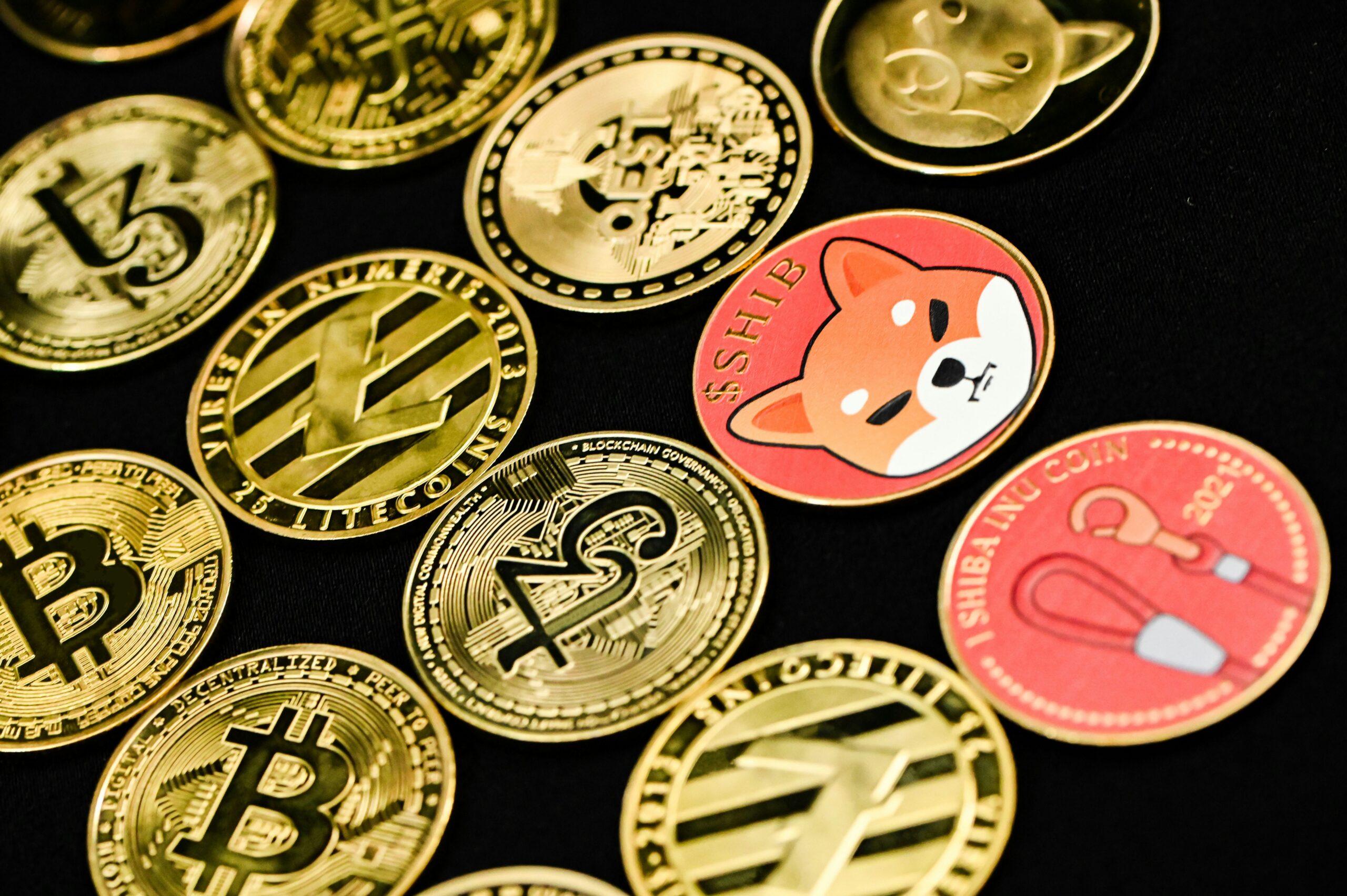
Meme coin marketing is the strategic promotion of meme-based cryptocurrencies (Dogecoin, Shiba Inu, Pepe, and the long tail of similar tokens) using humour, cultural relevance, viral content, and community-first execution. Unlike standard crypto marketing, which often emphasises utility and technical innovation, meme coin marketing relies on the speed and shareability of internet culture to turn random tokens into recognisable brands.
Meme coin marketing is the practice of promoting meme-inspired cryptocurrencies through humour, viral content, community engagement, and the cultural moments that turn random tokens into widely recognised phenomena. The strongest meme coin programs combine sharp social distribution (primarily on X, TikTok, and Telegram), fast-moving content that lives inside current trends, deep community execution, and earned media placements that build credibility most meme coins never reach. The honest reality: roughly 97% of meme coins from 2023 to 2024 are inactive (per Binance reporting), so the goal is not just attention; it is building the credibility and community depth that lasts past the first 30 days.
The category matters because the audience is real. CoinGecko reported that meme coins accounted for roughly 30.67% of global crypto-related searches in 2024, making them one of the most-searched segments in the entire crypto economy. The category is volatile, the failure rate is high, but the upside for the projects that get marketing right is significant.
Why meme coin marketing is different from standard crypto marketing
| Dimension | Standard crypto marketing | Meme coin marketing |
|---|---|---|
| Primary trust signal | Technology, tokenomics, team credentials | Cultural relevance, community size, viral momentum |
| Content style | Educational, technical, long-form | Memes, short video, in-jokes, culture references |
| Time horizon | Months to years for product traction | Weeks for the launch window, then ongoing community |
| Conversion event | Wallet connection, protocol use, governance | Token purchase, holder count growth, social engagement |
| Failure rate | High but slower; protocols can iterate | Roughly 97% of 2023-2024 meme coins inactive (Binance) |
| Critical channel | Twitter/X, Discord, technical content | Twitter/X, TikTok, Telegram, meme economy platforms |
Trust signal
Content style
Time horizon
Conversion event
Failure rate
Critical channel
The differences matter because the same playbook does not work in both. Treating a meme coin like a DeFi protocol launch produces dead-on-arrival marketing; treating a serious crypto protocol like a meme coin damages credibility with real users.
The unique role of viral content and humour
Three patterns separate meme coins that go viral from those that do not:
- Relatable memes that already speak to internet culture. Memes designed to look like ads fail; memes that genuinely fit current culture spread.
- Speed inside trending moments. Meme coin marketing operates on hours, not weeks. The teams that ship into a cultural moment within 24 hours win; the teams that ship a week later miss.
- Interactive participation, not just broadcasting. Hashtag challenges, meme contests, community-led content creation. The audience becomes part of the story.
The 2024 launch of TRUMP token (which surged within hours of release) showed how cultural relevance plus instant distribution can move a meme coin to substantial market cap before traditional marketing has time to catch up. The pattern is replicable; the cultural moments to ride are not predictable.
Why PR matters for meme coins specifically
Three reasons earned coverage in respected publications matters for meme coins despite the category's casual reputation:
- Credibility for serious investors. Coverage in CoinDesk, The Block, Decrypt, Forbes, or Bloomberg signals to whales and funds that the project is more than ambient noise. Many of the best-performing meme coins of 2024 had earned coverage during their growth phase.
- AI search visibility. Princeton's GEO research (KDD 2024) found that adding citations from credible sources lifts AI visibility by up to 40%. When users ask ChatGPT, Perplexity, or Google AI Overviews about meme coins, the answer comes from earned coverage.
- Survival past the launch window. The 97% failure rate of meme coins is concentrated in the projects that never built credibility infrastructure. The survivors typically have at least some earned coverage to point to.
For dedicated crypto and meme coin PR, see our blockchain PR agency service, our crypto and NFT PR packages, or read how to get published in CoinDesk.
The five strategies that work for meme coin promotion
Use social media with discipline
Twitter/X, TikTok, and Telegram are the primary channels. Three rules:
- Post consistently inside trending topics, not in isolation
- Engage with adjacent communities before pitching to them
- Track what actually works using platform analytics; do not guess
Create memorable, original memes
The strength of a meme coin lives in its memes. Three patterns:
- Original creative beats recycled formats
- Quality matters more than quantity. Five exceptional memes outperform 50 mediocre ones
- The visual and verbal hook should be specific to your project, not interchangeable with any other meme coin
Build deep community engagement
Discord and Telegram are where the actual community lives. The strongest meme coins:
- Have founders or core team active in the channels daily
- Run governance, contests, and creator programs that give holders something to do
- Reward early supporters with airdrops, recognition, or access
Collaborate with the right influencers
Crypto-native voices with on-chain credibility move meme coin holders. Generalist influencers do not. Three patterns:
- Match by audience overlap, not follower count
- Prioritise creators with verified on-chain history
- Avoid influencers who will promote anything; their endorsements carry no signal
Build credibility through earned media
Coverage in CoinDesk, The Block, Decrypt, Forbes, or other respected outlets distinguishes serious meme coin projects from the long tail of dead-on-arrival tokens. It also feeds AI search visibility and institutional access that pure social presence cannot.
The earned credibility that separates the 3% that survive from the 97% that do not.
Forbes, Business Insider, Entrepreneur, and 700+ publications. From $990 per story. Money-back guarantee. Most placements published within 72 hours.
See pricing →How to build a meme coin marketing strategy that holds up
Define goals beyond price action
Token price is the easiest metric to measure and the hardest to influence directly. Better primary metrics:
- Holder count growth
- Holder retention at 30, 60, 90 days
- Active social engagement (real comments, not just likes)
- Earned media coverage in respected outlets
- Community size and depth on Discord/Telegram
Understand who actually buys
Meme coin buyers split roughly into:
- Speculators. In and out within hours. Drive volume, drive volatility, do not drive durability.
- Culture believers. Hold because they identify with the meme or community. Drive long-term floor.
- Whales. Buy in size, can move price single-handedly. Watch for cultural credibility before they buy.
- Diamond hands. Hold through volatility on conviction. Small in number, disproportionate in influence.
Different audiences need different messaging. Speculators want urgency; culture believers want story; whales want credibility infrastructure; diamond hands want roadmap honesty.
Build brand identity that travels
Dogecoin worked because the Shiba Inu visual was instantly recognisable. Pepe worked because the frog was already cultural. The strongest meme coins build visual identities that survive being separated from the project name. Generic logos and clichéd mascots fail this test; original, repeatable visual hooks pass it.
Create content that engages, not just announces
Three formats that work in meme coin marketing:
- Memes. Visual jokes that work whether or not the audience knows the project
- Short video. TikTok and Twitter-native clips that ride trending sounds and formats
- Interactive content. Polls, contests, community challenges, holder rewards
Layer in a real PR strategy
Public relations is not optional for meme coins that want to survive past launch. The relationships that produce coverage take 60 to 90 days to build, so PR work needs to start before the launch window, not after.
How to choose a meme coin marketing agency
| What to evaluate | What strong looks like |
|---|---|
| Crypto culture fluency | Team is native to crypto Twitter/X, knows the memes, follows the trends |
| Speed of execution | Can ship into a cultural moment within 24 hours, not 5 days |
| Track record | Named past projects with verifiable holder growth and engagement |
| Press relationships | Active relationships at CoinDesk, The Block, Decrypt, plus mainstream outlets |
| Community management capacity | 24/7 coverage during launch windows; meme coins move on internet time |
| On-chain literacy | Reports on real metrics (holders, retention, on-chain activity), not vanity numbers |
| Pricing transparency | Clear deliverables tied to clear costs, no "trust us" black boxes |
Crypto culture fluency
Speed of execution
Track record
Press relationships
Community capacity
On-chain literacy
Pricing transparency
The right agency for a meme coin launch is rarely the right agency for a DeFi protocol. The skills, relationships, and cultural fluency are different.
Implementing meme coin marketing services
Memes that connect, not just exist
The best memes for meme coin marketing are funny first, branded second. The audience laughs, then sees the project. Memes that lead with the project and tack on humour read as ads and get filtered.
Community engagement that compounds
The Solana ecosystem became the dominant meme coin platform in 2024 partly because community engagement was native to the chain's culture. A 2024 Blockworks Research survey of Solana ecosystem founders found roughly 76% viewed meme coins as "mostly good" for the ecosystem. That kind of cultural alignment matters for which chain you launch on.
Viral campaigns that hit cultural moments
Viral attempts that ignore current culture fail. Successful viral campaigns ride trending audio, formats, hashtags, or events. The teams that watch culture daily can identify the openings; teams that do not cannot.
Influencer partnerships with on-chain credibility
Crypto-native influencers with verifiable trading or holding history move meme coin audiences. Generic influencers do not. Match by audience overlap and on-chain reality.
Professional publicists for serious projects
For meme coins aiming at survival past the launch cycle, hiring a publicist with crypto-native press relationships materially changes the trajectory. They handle media outreach, manage public-facing relationships, and provide the credibility infrastructure that pure community marketing cannot build alone.
Common mistakes that kill meme coin projects
- Marketing only at launch. The week-after-launch silence is what kills most meme coins. Sustained marketing builds durability.
- Faking community. Bot followers and pumped Discord member counts are immediately visible to experienced users.
- Promising utility you cannot deliver. Roadmaps that cannot be executed destroy long-term trust and invite regulatory attention.
- Ignoring earned media. Coverage in respected outlets is what separates the 3% that survive from the 97% that do not.
- Using generalist marketing agencies. Crypto cultural mistakes show up immediately and damage credibility.
- Treating volume as success. Trading volume without holder retention is a vanity metric. Retention is the real signal.
- Skipping crypto-native influencer vetting. Influencers without on-chain credibility produce no buying behaviour, regardless of follower count.
Frequently asked questions
Varies enormously. Founder-led marketing costs time, not money. Agency-supported launches typically run $20K to $100K for the launch window, with ongoing community management at $5K to $25K monthly. The right benchmark is not dollar amount; it is whether the program is generating real holder growth, retention, and earned coverage.
Pre-launch building runs 60 to 90 days. The launch window itself is typically 2 to 4 weeks of high-attention activity. Post-launch community management runs indefinitely if the project is meant to last. Programs that stop the day after launch usually see holder count and price collapse within 30 days.
Both. Web3-native channels (Twitter/X, TikTok, Telegram, Discord) drive the user-facing community. Traditional PR (CoinDesk, The Block, Forbes, Bloomberg) builds the credibility that brings in larger investors and serious media coverage. Projects that rely only on social channels rarely survive past 6 months.
Yes, but the ceiling is lower than for serious crypto protocols. The strongest path is sharp cultural positioning, tight community execution, and earned coverage. Many of the recent breakout meme coins started small and grew through cultural relevance and community depth rather than launch budgets.
Per Binance reporting, roughly 97% of meme coins from 2023 to 2024 are inactive. The 3% that survive typically share specific patterns: cultural relevance, community depth, earned coverage, founder commitment past launch, and (often) a small amount of real utility integrated over time.
Three signals: named past clients with verifiable on-chain results, transparent pricing tied to specific deliverables, and team members who are actively present in crypto Twitter/X with real reputations. Agencies that hide their team, cannot name past clients, or charge "trust me" rates rarely produce real outcomes.
Where to go next
If you are launching or scaling a meme coin, the foundation is the same regardless of size: cultural sharpness, real community depth, earned credibility infrastructure, and the discipline to keep marketing past the launch window. Browse our blockchain PR agency service, see our crypto and NFT PR packages, or read how to get published in CoinDesk.
The meme coins that survive are not the ones with the loudest launches. They are the ones whose marketing kept working after the initial moment, whose community grew because the culture was real, and whose credibility compounded across months through earned coverage and substantive work. The 97% failure rate is a feature, not a bug. The work is in being part of the 3%.
Read More BadenBower's Articles



Get Your Business Featured in Major Publications
We reply within 1 business day. Your information is never shared or sold.